


How to Transition to Offshore Teams Without Losing Control
Optimize your 2026 offshore strategy with a Mirror Stack, Zero Trust security, and AI to scale execution while saving 40-70%.
9 min read
Hire faster in 2026: check out 15 developer platforms US teams use, who’s quick, who’s pricey, and when managed teams rule.
Written by: Nasif Sid Created on: 20 Feb 20268 min to read

Hiring developers in 2026 has longer hiring cycles and tighter talent supply. For US-based teams, the platform you use directly determines how fast you ship and how predictable your costs are.
The developer shortage is projected to be 40% worse than 2025, with average time-to-hire approaching 95 days. These delays increase release risk, raise hiring costs, and strain existing teams. For many US companies, this has made faster and more predictable hiring models more attractive.
This guide breaks down the 15 best platforms to hire general developers in 2026, based on how US companies actually use them. You’ll see where each platform fits, how quickly they place talent, what cost models look like, and when managed hiring partners outperform open marketplaces. You’ll also learn how to evaluate platforms and reduce delivery risk as you scale.
We evaluated each platform using criteria that matter most to US companies hiring developers in 2026. The goal was simple. Identify which platforms help you hire faster, reduce risk, and control costs as the market tightens.
We scored platforms across six core factors:
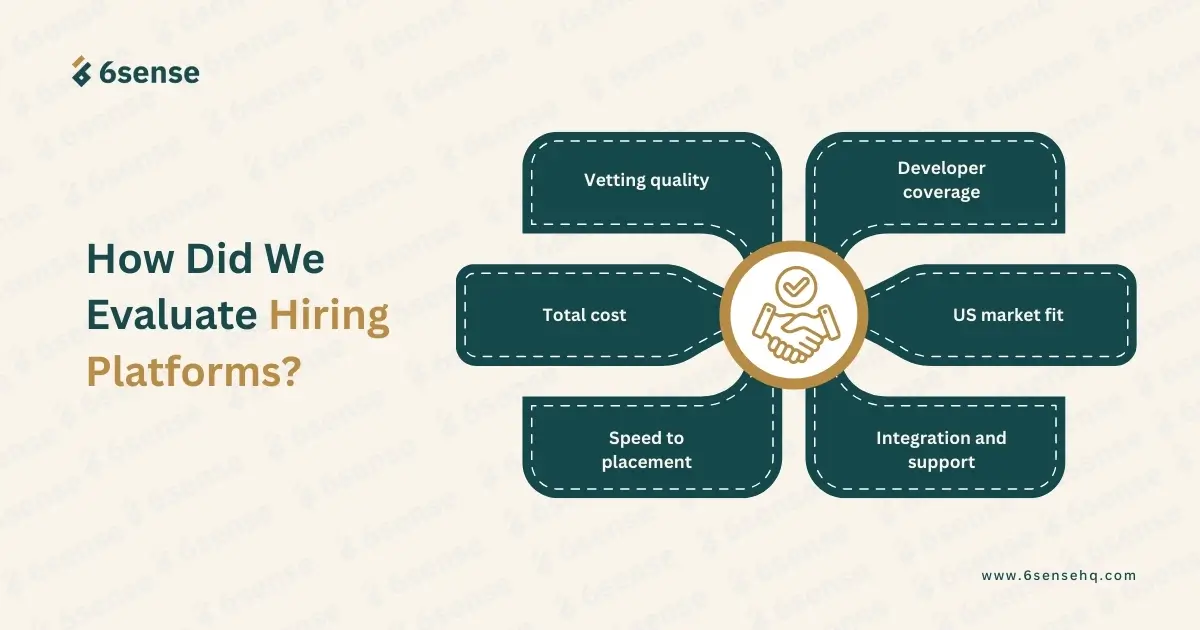
US teams need predictable delivery and strong retention. The hiring model you choose directly affects both.
This table shows where each platform fits based on speed, cost control, and delivery model, so you can quickly narrow down the right option for your business.
| Platform | Best For | Hiring Model | What You Should Know |
| Toptal | Short-term expert needs | Marketplace | Strong vetting, higher cost, best for specialists not full teams |
| 6sense | Predictable delivery, long-term velocity | Managed team | Best when you want speed, retention, and delivery handled end to end |
| Turing | High-volume sourcing | Marketplace | Large talent pool, requires more interviews and onboarding time |
| Upwork | Small tasks, flexible budgets | Marketplace | Wide talent range, vetting and management stay on you |
| Jobbers.io | Cost-focused direct hiring | Marketplace | Zero commission, but you own screening and hiring risk |
| CloudDevs | Fast US-time-zone collaboration | Staffing | Sub-24-hour matching, strong LATAM focus |
| Lemon.io | Startup MVPs | Marketplace | Quick matches, limited delivery support |
| Gigster | Fixed-scope projects | Managed delivery | Works best when scope is stable |
| Mismo | Nearshore continuous delivery | Staffing | Good overlap, confirm PM and QA coverage |
| Revelo | Full-time LATAM hires | Staffing | Strong compliance support, slower to scale teams |
| Gun.io | Senior specialists | Marketplace | Great for deep expertise, not full squads |
| Andela | Global scale | Staffing | Broad reach, quality varies by region |
| Arc.dev | Faster hiring pipelines | Marketplace | Pre-vetted talent, still needs your interviews |
| Braintrust | Budget-aware teams | Marketplace | Alternative fees, validate real costs |
| Fiverr | Micro-tasks | Marketplace | Fast and cheap, not ideal for core product work |
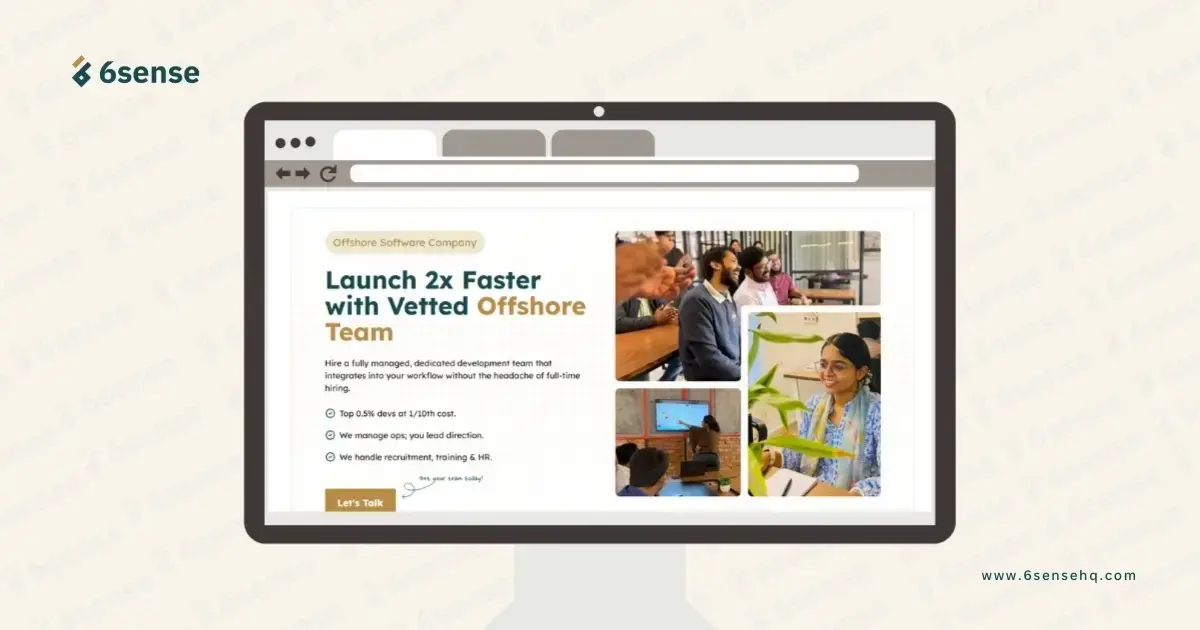
What it is 6sense provides managed development teams built for long-term product work, not individual freelancers.
Why teams choose it
Best fit Works well when you need consistent delivery, stable teams, and predictable costs.
Not ideal if You only need short-term or single-developer help.
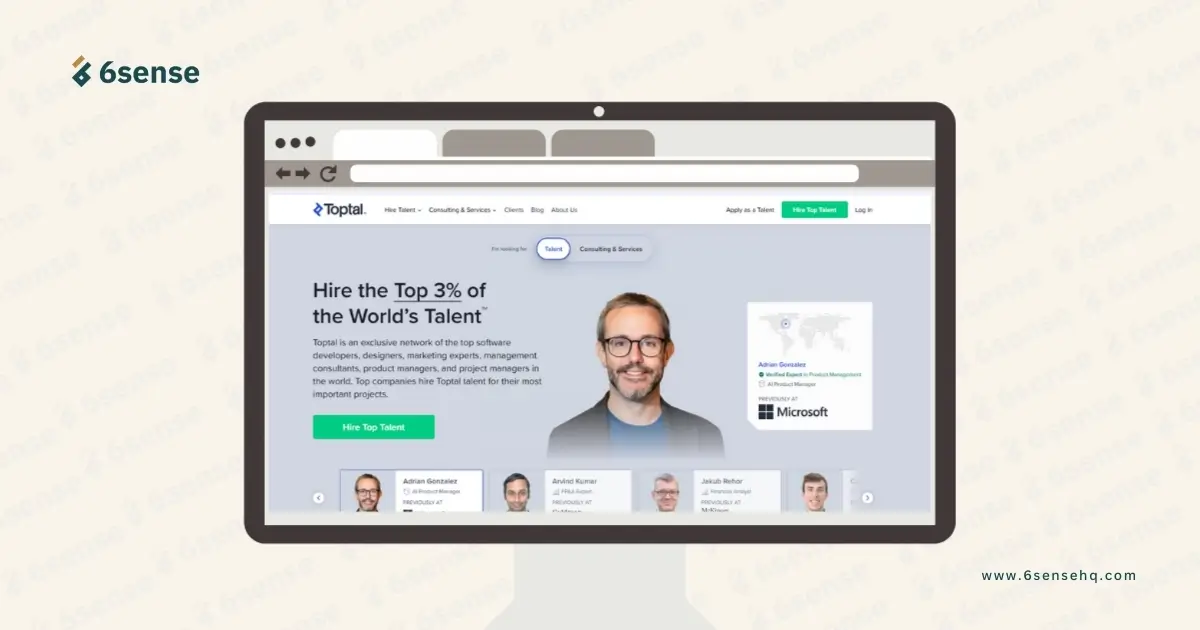
What it is Toptal is a premium marketplace known for experienced freelance developers.
Why teams use it
Best fit Short-term expert work, audits, or niche technical needs.
Not ideal if You need a full team or long-running product delivery, where costs and coordination can add up.
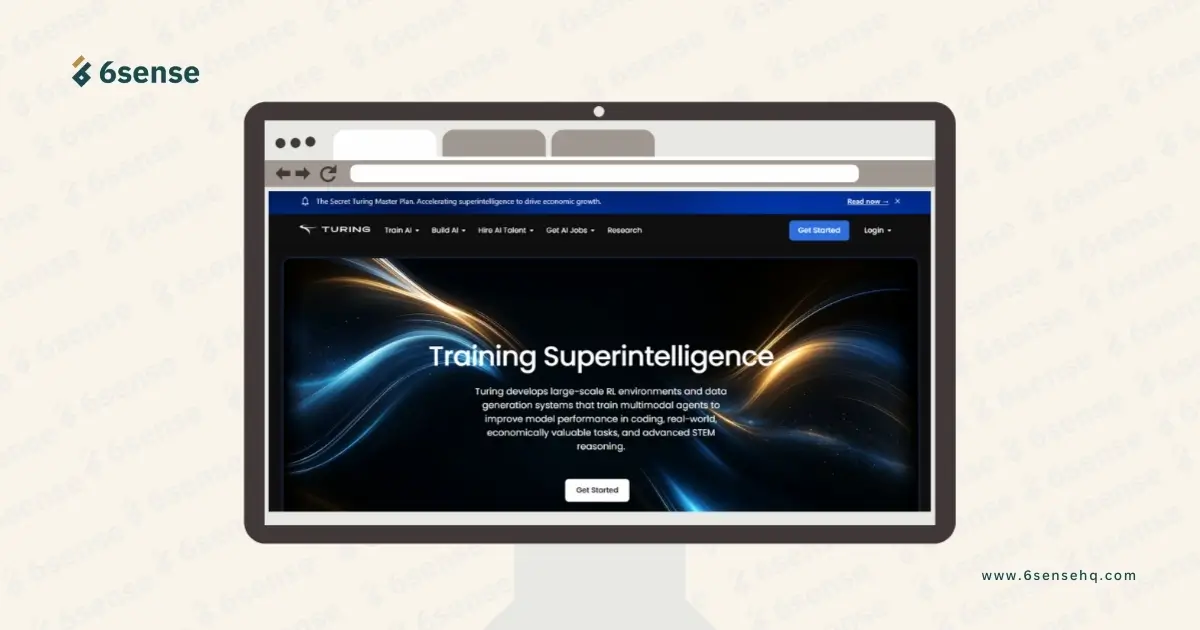
What it is Turing is a large global marketplace that uses AI to match companies with developers.
Why teams use it
Best fit High-volume hiring or broad talent exploration.
Not ideal if You want minimal interviews or fast onboarding without extra screening.
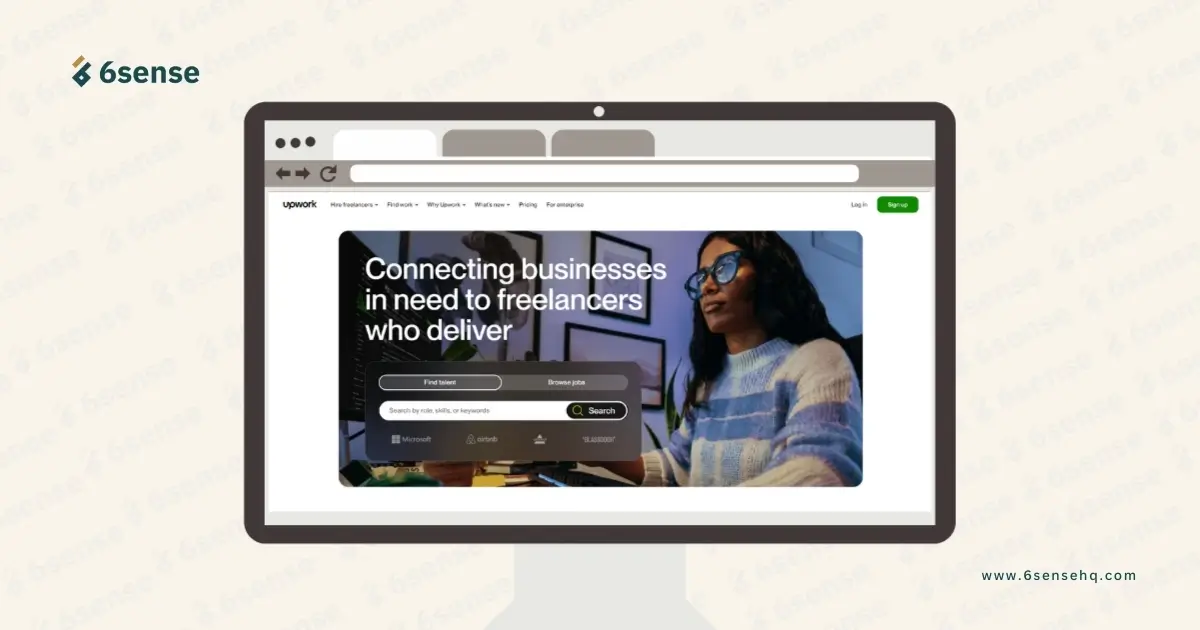
What it is Upwork is one of the largest freelance marketplaces across all tech stacks.
Why teams use it
Best fit Micro-projects, trials, or supplemental work.
Not ideal if You need consistent quality or don’t want to manage vetting and delivery yourself.
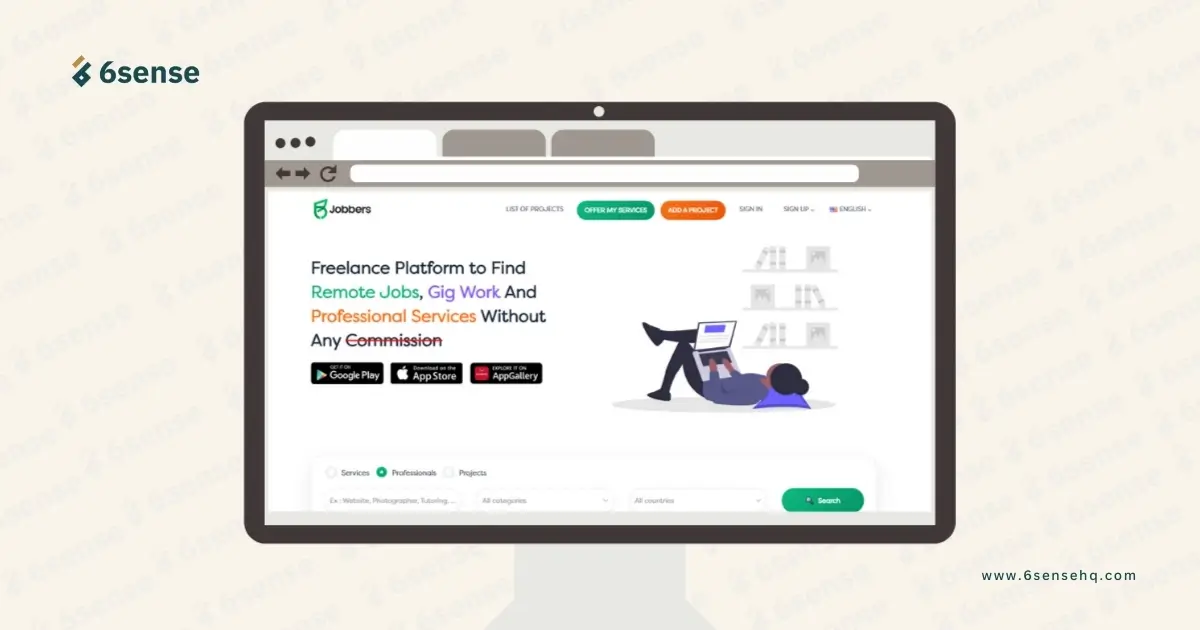
What it is Jobbers.io is a direct-hire platform with zero commission.
Why teams use it
Best fit Cost-focused teams with strong internal hiring processes.
Not ideal if You want help with vetting, onboarding, or retention.
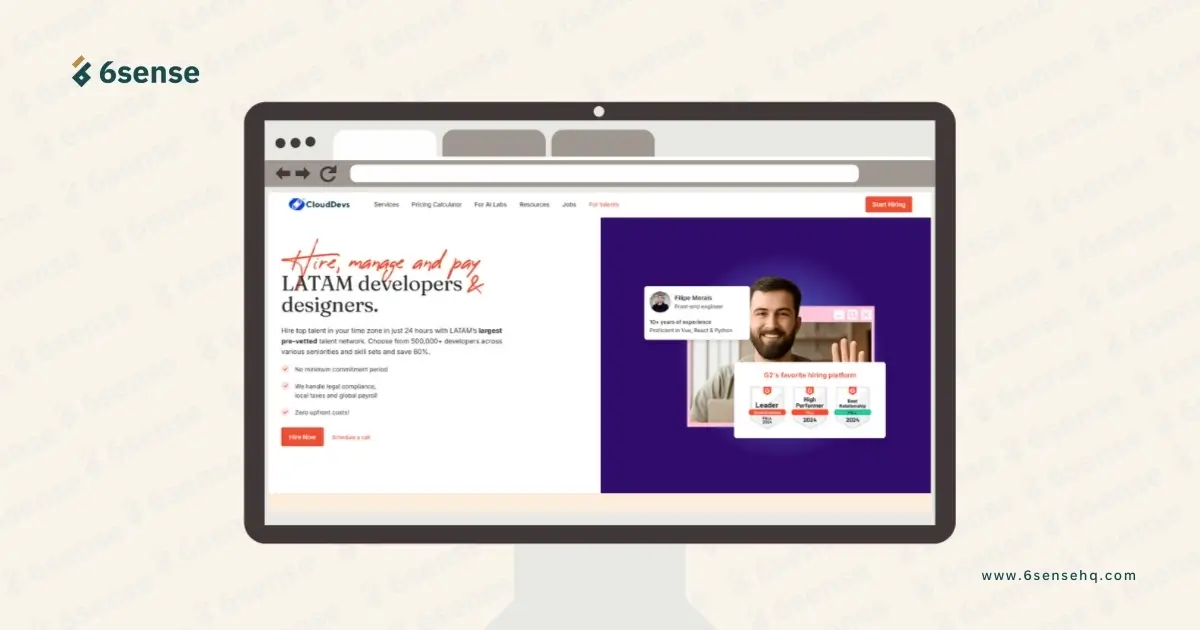
What it is CloudDevs connects US companies with nearshore developers, primarily in LATAM.
Why teams use it
Best fit Teams that need real-time collaboration with offshore cost advantages.
Not ideal if You need full delivery management or long-term team ownership.
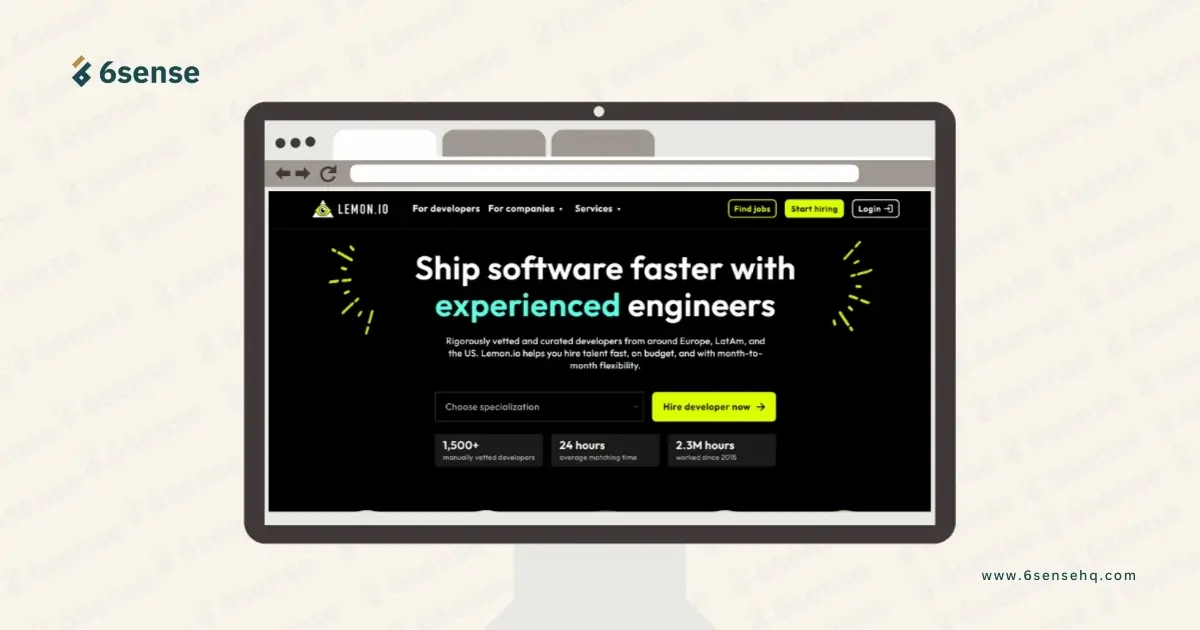
What it is Lemon.io is a curated marketplace focused on startup and early-stage teams.
Why teams use it
Best fit MVP builds or adding a developer quickly.
Not ideal if You need ongoing delivery support or multi-sprint planning.
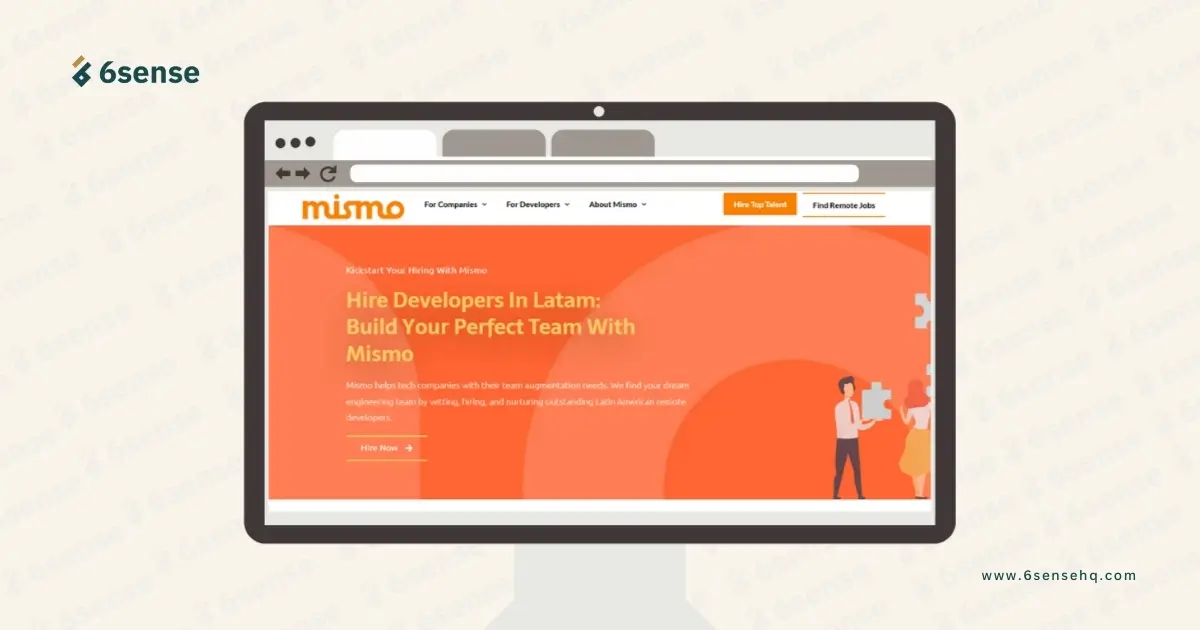
What it is Mismo provides nearshore staffing with strong US overlap.
Why teams use it
Best fit Continuous delivery teams with daily syncs.
Not ideal if You need built-in PM or QA support.
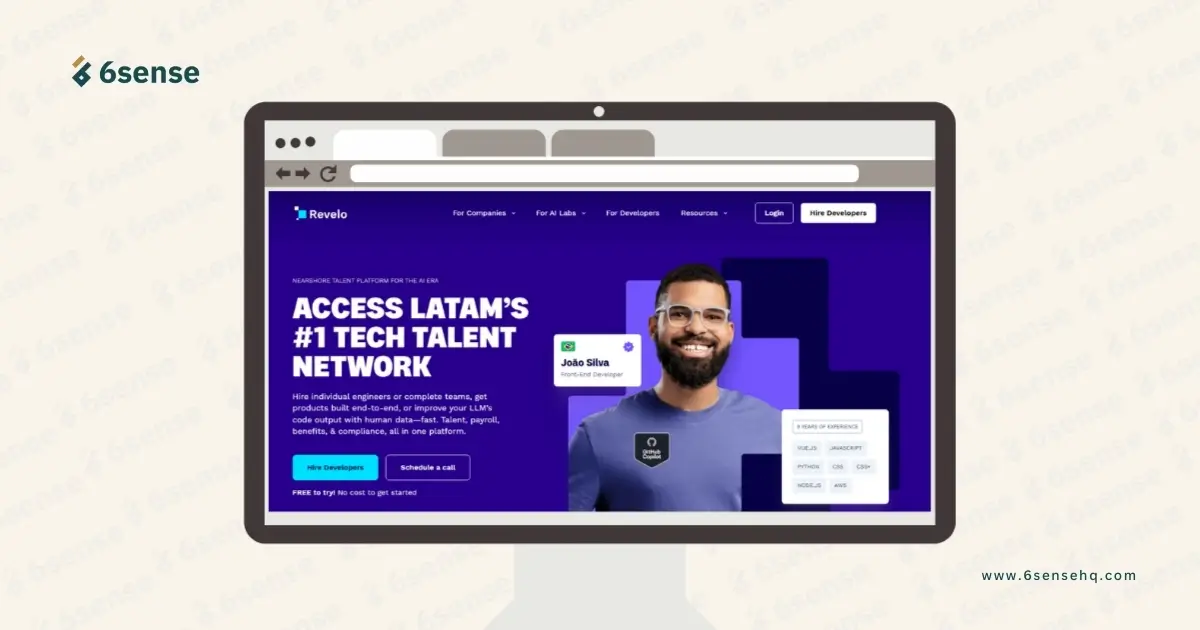
What it is Revelo helps US companies hire full-time remote engineers in LATAM.
Why teams use it
Best fit Long-term hiring in a single region.
Not ideal if You need rapid team scaling or short-term flexibility.
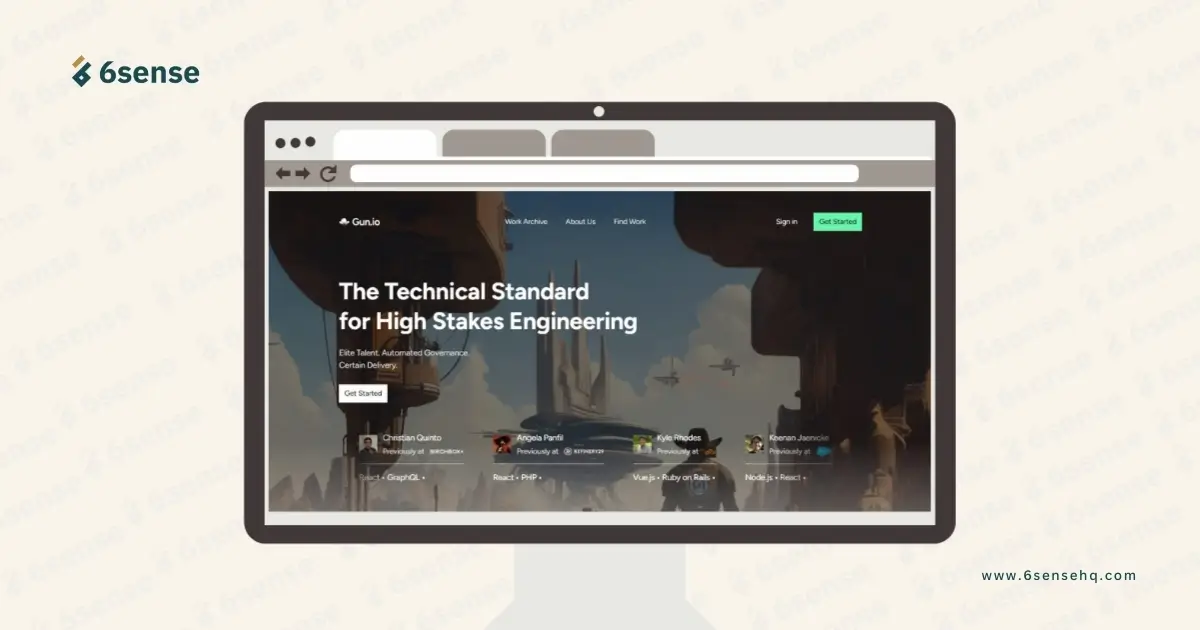
What it is Gun.io is a curated marketplace focused on experienced, senior-level engineers.
Why teams use it
Best fit Refactors, performance optimization, and high-impact engineering tasks.
Not ideal if You need a full delivery team or long-term execution support.
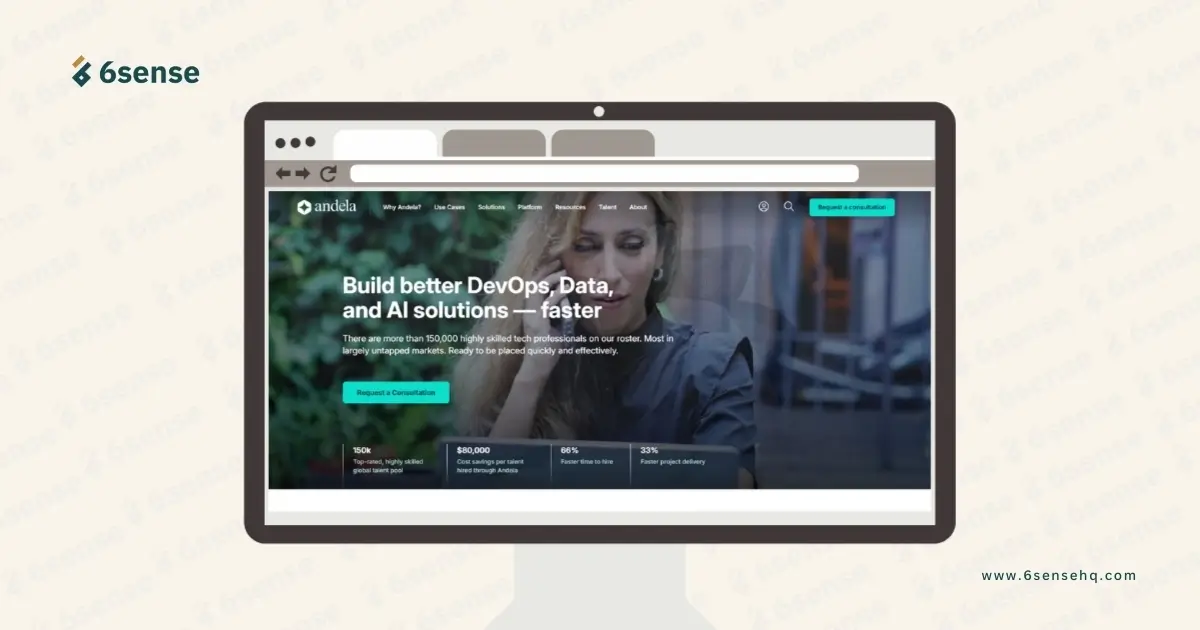
What it is Andela is a global staffing platform with developers across multiple regions.
Why teams use it
Best fit Companies scaling distributed teams globally.
Not ideal if You want tight vetting control or consistent seniority across regions.
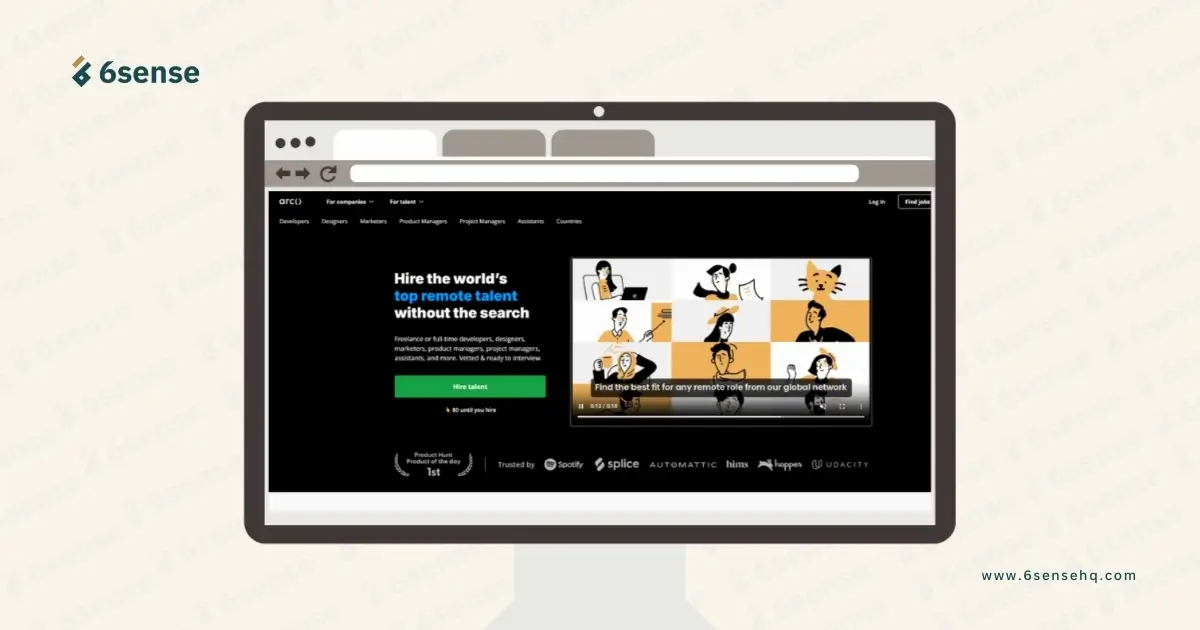
What it is Arc.dev focuses on pre-vetted developers to reduce screening time.
Why teams use it
Best fit Teams that want faster hiring without building a full sourcing function.
Not ideal if You skip technical validation or system-design interviews.
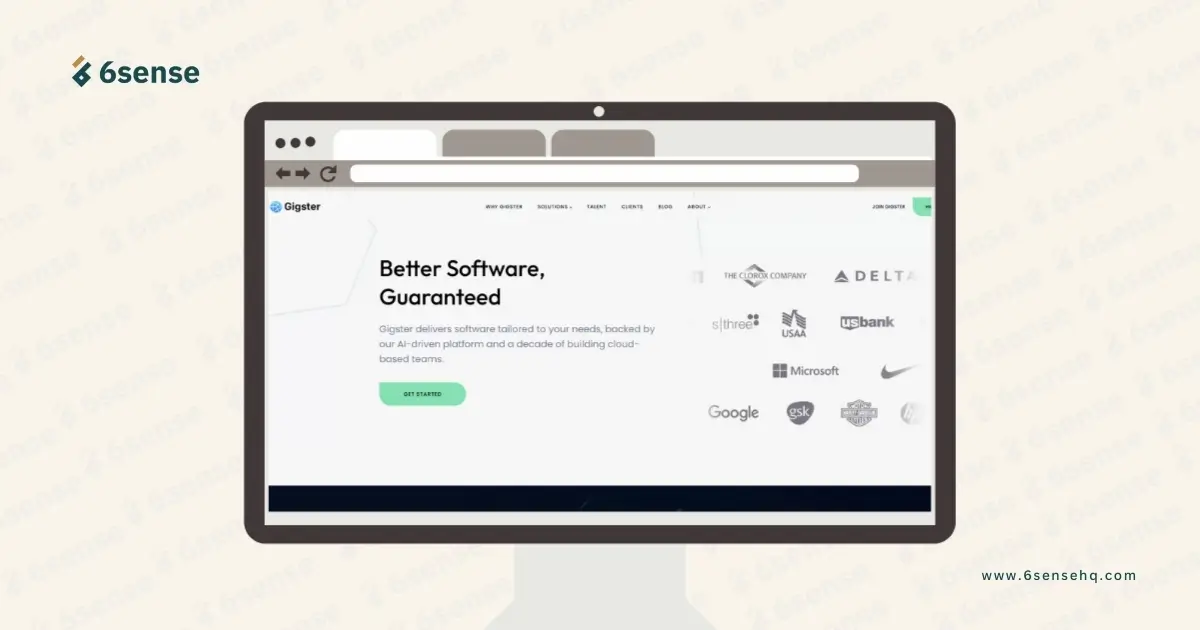
What it is Gigster delivers scoped engineering projects using managed teams.
Why teams use it
Best fit Prototypes or fixed-scope builds.
Not ideal if Your roadmap changes frequently or requires ongoing iteration.
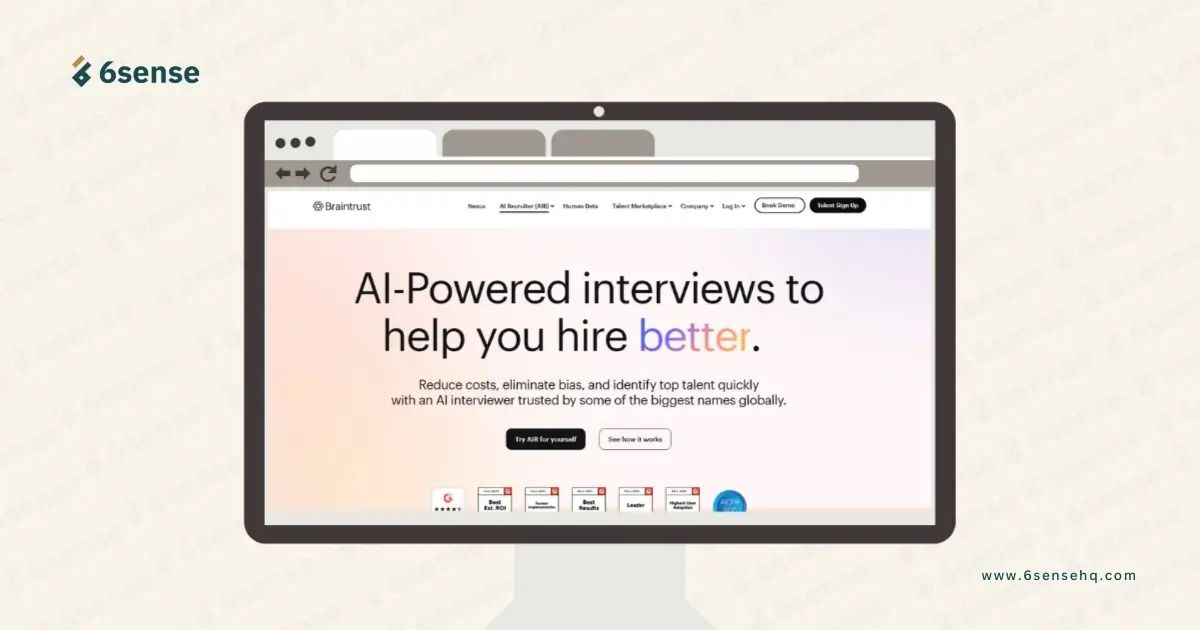
What it is Braintrust is a talent marketplace with an alternative fee structure.
Why teams use it
Best fit Budget-aware teams that want flexibility without long-term commitments.
Not ideal if You need fast onboarding or structured delivery support.
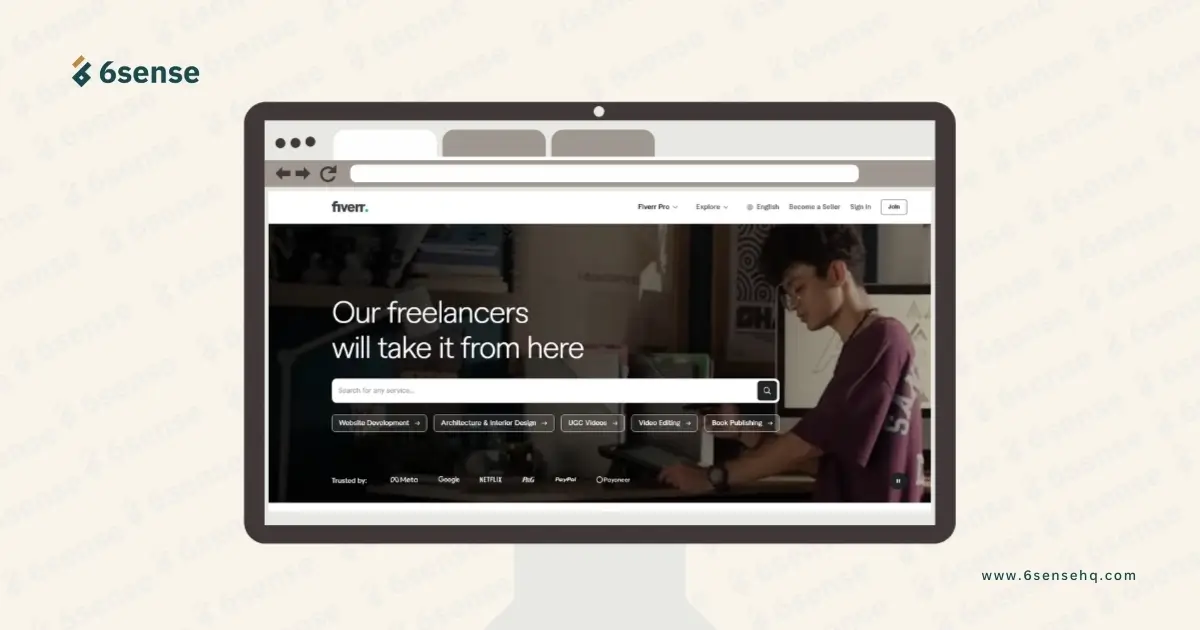
What it is Fiverr is a global freelance platform with fixed-price and hourly options.
Why teams use it
Best fit Micro-tasks, experiments, and non-core development work.
Not ideal if You’re building or maintaining core product systems.
In 2026, hiring success depends less on resumes and more on judgment. AI tools have raised the bar, making reasoning, system design, and code review skills more important than syntax recall.
Optimize your 2026 offshore strategy with a Mirror Stack, Zero Trust security, and AI to scale execution while saving 40-70%.
9 min read

Stop scrolling, start hiring: 15 best offshore dev sites for 2026 with rates, vetting process, and quick picks. Tap in!
14 min read

Offshore ROI in 2026: calculate true TCO, payback & NPV, dodge rework traps, and scale faster, grab the checklist now!
7 min read