


How to Transition to Offshore Teams Without Losing Control
Optimize your 2026 offshore strategy with a Mirror Stack, Zero Trust security, and AI to scale execution while saving 40-70%.
9 min read
Learn quick, friendly ways to bridge culture gaps, communicate clearly, and keep your offshore team in sync.
Written by: Nasif Sid Created on: 16 Feb 20268 min to read
Offshore software development can bring huge benefits to your company, but have you considered how cultural differences can impact your offshore engineering teams? Understanding how cultural differences impact offshore engineering teams is essential for creating effective communication and collaboration.
Cultural differences like varying communication styles and work ethics can affect how your team interacts, makes decisions, and executes projects. However, with the right approach, these differences can actually boost productivity and innovation.
In this blog, we’ll dive into the main cultural challenges that come with offshore teams and give you practical tips to manage them. By addressing these challenges, you can ensure smoother collaboration, better outcomes, and stronger relationships with your offshore developers.
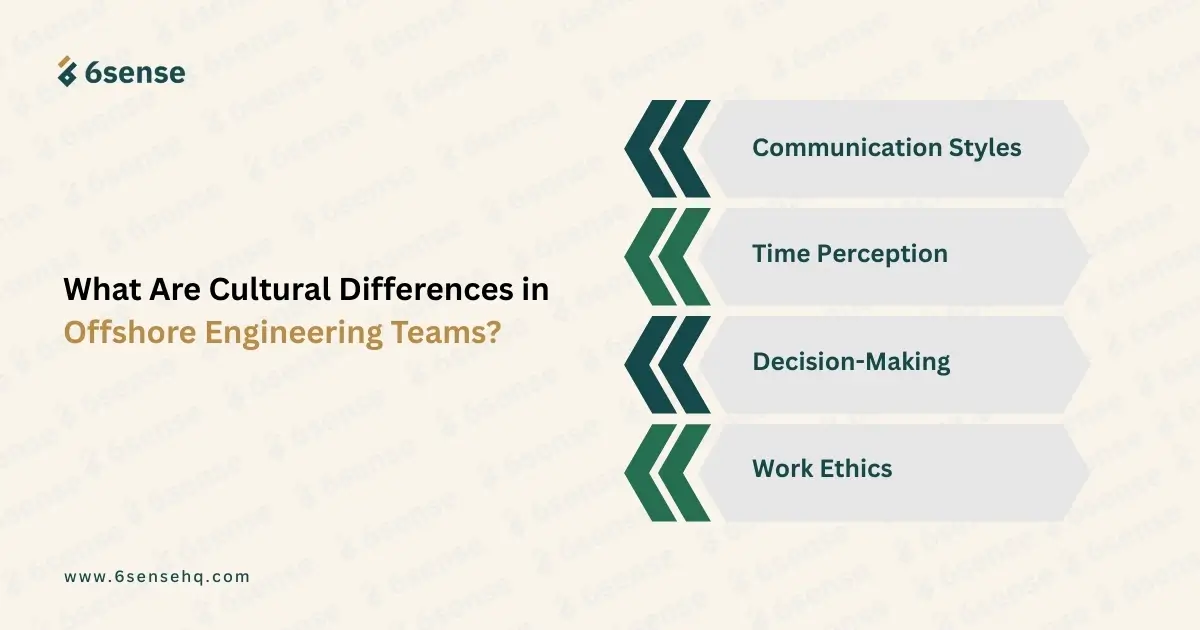
When discussing cultural differences in offshore teams, we’re referring to the diverse customs, communication styles, and behaviors that team members from different regions bring to their work. These differences can significantly impact collaboration, decision-making, and productivity.
Key cultural differences include:
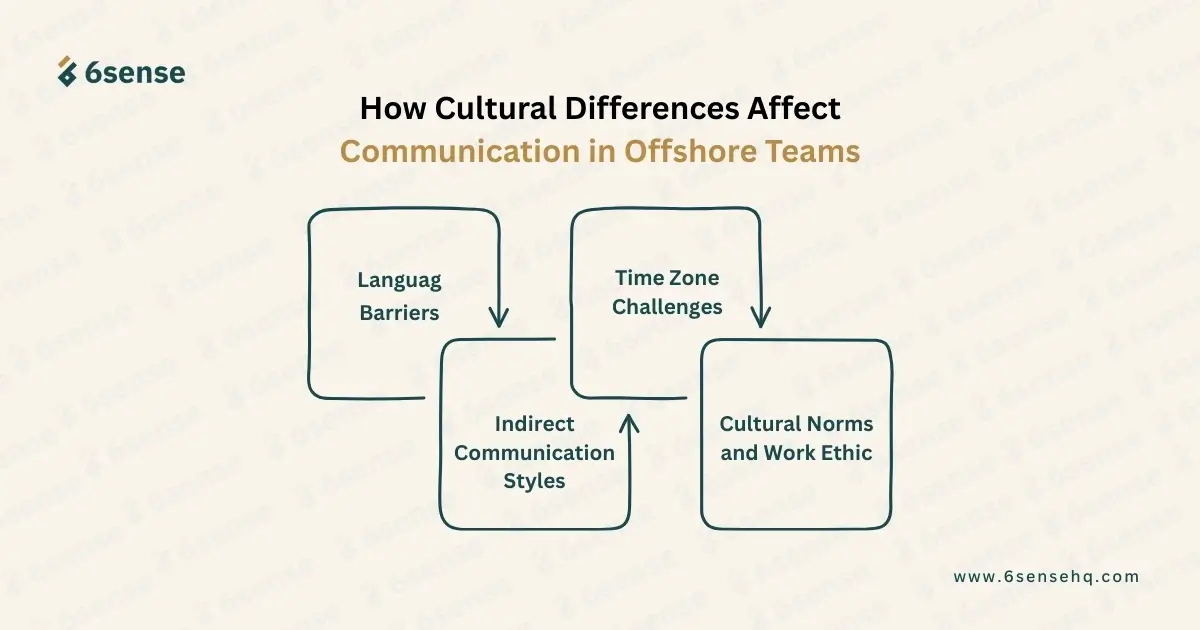
When working with offshore teams, you’ll likely face some communication challenges caused by cultural differences. These issues can affect your projects and cause misunderstandings if not managed properly. Here’s how cultural differences might impact your communication:
For instance, one startup experienced a delay when their offshore team didn’t recognize the urgency of a project. The issue stemmed from the offshore team’s indirect communication style, which led to them not expressing concerns early on. This misunderstanding ultimately resulted in delays and frustration on both sides.
To ensure smooth communication and avoid such misunderstandings, here are some practical steps you can take:
Cultural differences can significantly impact how your offshore team collaborates, builds trust, and makes decisions. If not managed well, these differences can lead to misunderstandings, delays, and friction. Understanding these dynamics is key to successful collaboration.
Cultural differences often influence how your team works together. Some cultures favor individual work, while others prefer teamwork. To avoid confusion, ensure clear role definitions and expectations from the outset, so everyone knows their responsibilities.
Trust-building varies by culture. Some teams may build trust through personal connections, while others focus on consistent performance. As a leader, create opportunities for both personal and professional trust-building to ensure a cohesive team.
Cultural norms shape how conflicts are handled. In some cultures, direct confrontation is avoided, while others embrace open debate. Set clear guidelines on conflict resolution that respect these differences, ensuring smoother interactions.
Managing cultural challenges within offshore teams is key to ensuring smooth collaboration and high productivity. As a leader, your ability to address cultural differences will directly impact the success of your team. Let’s explore how you can take charge of these challenges.
To lead effectively, you need cultural intelligence – the ability to understand and navigate cultural differences within your team. A manager with high cultural intelligence can build an inclusive environment, fostering trust and collaboration across diverse team members.
Successfully managing offshore teams with cultural differences requires more than just awareness. It takes planning, communication, and the right tools. Here are some best practices to help you foster better collaboration, understanding, and productivity.
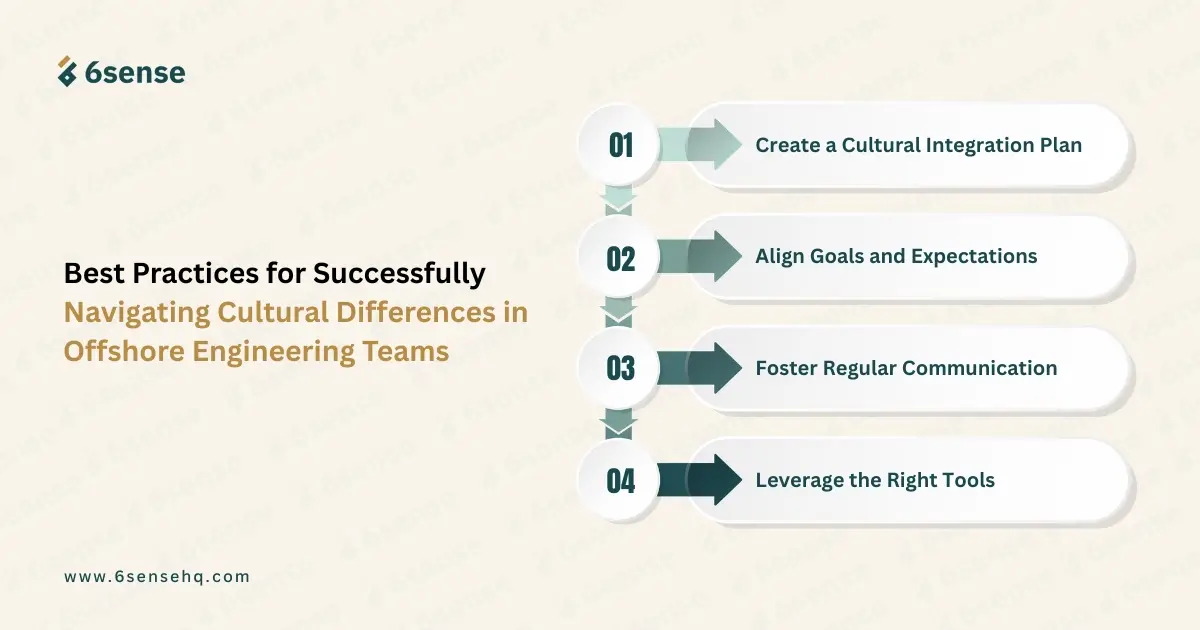
Start by ensuring your offshore team is integrated with your onshore team. Plan activities that promote understanding, such as:
Clarify your team's common goals and expectations. When everyone is on the same page, misunderstandings are less likely. Make sure all members know what’s expected of them and the project as a whole.
Communication is the key to overcoming cultural gaps. Regular check-ins and feedback sessions ensure that everyone stays aligned and any potential issues are addressed early on. Whether it’s through video calls, emails, or messaging apps, staying in touch regularly keeps the team cohesive.
The right tools can bridge the gap between cultures and time zones. Here are some key tools that make a big difference:
At 6sense HQ, we know firsthand how challenging it can be to work with offshore development teams. But through strategic cultural alignment and focused communication, we turned these challenges into an advantage. Here's how we did it, and how you can apply similar strategies to drive success in your business.
Cultural differences between our North American team and our offshore team in Southeast Asia created initial friction. Here’s how we tackled it:
After addressing cultural differences, we put strategies in place that helped our offshore collaboration run smoothly:
These strategies didn’t just improve internal processes—they delivered results:
Our clients noticed the improvements too:
Managing cultural differences in offshore engineering teams can be challenging, but with the right approach, it can lead to better collaboration and productivity. By focusing on clear communication, cultural sensitivity, and a strong leadership approach, you can successfully navigate the complexities of working with offshore teams.
As a startup or company with offshore development, you’ll find that understanding cultural dynamics is key to building a productive and cohesive team. The goal is to embrace diversity and make it work in your favor, ensuring that everyone is aligned and motivated to achieve common goals.
Ready to take your offshore team to the next level? Start implementing these strategies today and watch your team thrive. If you need expert help in managing cultural differences and building high-performing offshore teams, feel free to contact us. We're here to guide you every step of the way.
Optimize your 2026 offshore strategy with a Mirror Stack, Zero Trust security, and AI to scale execution while saving 40-70%.
9 min read
Stop scrolling, start hiring: 15 best offshore dev sites for 2026 with rates, vetting process, and quick picks. Tap in!
14 min read
Offshore ROI in 2026: calculate true TCO, payback & NPV, dodge rework traps, and scale faster, grab the checklist now!
7 min read