MVP Development Phases & Timeline: How Long It Really Takes?
Learn the MVP roadmap: from discovery to launch. Master timelines, avoid feature creep, and build products users actually want.
Loading
FAQs
MVP development costs vary widely based on features and development teams. Simple MVPs may cost a few thousand dollars, while more complex products with multiple integrations can require significantly higher investment.
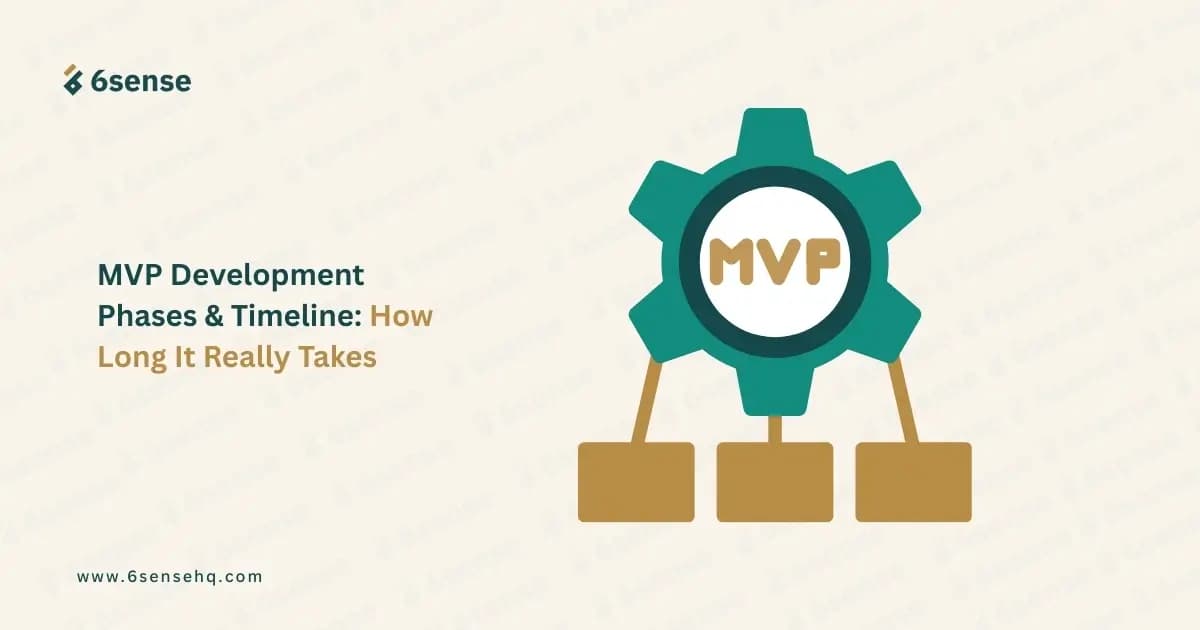
The phases of MVP development usually include discovery, planning, design, development, testing, and launch. This sequence mirrors standard product development and Lean Startup practice: define the problem, build the smallest solution, test it with users, then iterate based on feedback.
MVP development usually takes 8–16 weeks for focused web or SaaS products, although simple builds can launch faster and complex platforms may take several months. The timeline depends mainly on scope, integrations, compliance needs, and how disciplined the team is.
Yes, an MVP can be built in three months if the scope is tightly controlled, the core workflow is clear, and decisions are made quickly. Three months is realistic for many startups, but not for products that are heavily overloaded with integrations.
The typical MVP timeline for startups is about two to four months, often broken into discovery, design, development, testing, and launch. Lean teams can reach the market sooner by shipping only must-have features, using short sprints, and iterating from user feedback.
Common mistakes in MVP development include building too many features, skipping market validation, ignoring user feedback, and delaying launch. MVP success depends on speed, simplicity, and continuous learning from early users.

By AKM Ahsan
A driving force behind HR tech modernization in Bangladesh, he blends deep technical expertise with strategic vision. His leadership powers next-gen solutions in machine learning, IoT, and DevOps. Ahsan also champions experimentation and collaboration, with 30% of his focus dedicated to emerging tech and cross-functional innovation.
Connect on