What are the best practices for oil and gas data quality?
Oil and gas data quality best practices: the six quality dimensions, rules for wells, units, and volumes, placeholder traps, reconciliation, and ownership.
12 min read
Practical notes on pipelines, metering, and reporting — start from our energy software development services or go deeper on custom energy data platforms.
Oil and gas data quality best practices: the six quality dimensions, rules for wells, units, and volumes, placeholder traps, reconciliation, and ownership.
12 min read
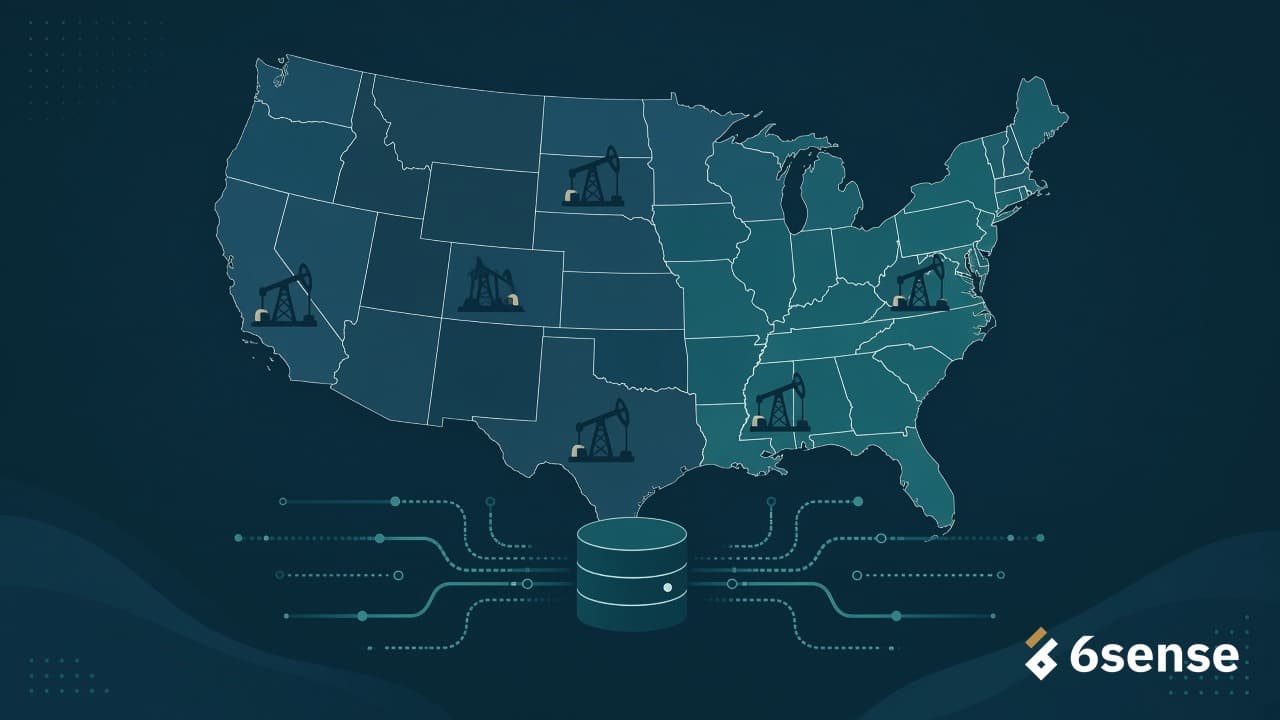
How to integrate oil and gas regulatory data across US states: who publishes it, how to access it, lease vs. well reporting, operator matching, federal records.
10 min read
An oil and gas ETL pipeline pulls well, production, land, and regulatory data from state regulators, federal sources, and operators, then converts many file formats into one model keyed on the well identifier. The transformation code is rarely the hard part. The hard parts are format sprawl, well identity, coordinate datums, and sources that revise their own history.
11 min read
Buy energy data software when the job is standard and a vendor already handles your source formats, such as meter data management or Green Button usage feeds. Build when your sources, reconciliation rules, or reporting logic are what make your operation different. Most energy companies end up doing both: they buy the platforms and build the pipelines between them.
11 min read
Oil and gas companies manage data from wells, production systems, equipment, and regulatory sources, often in different formats. This guide explores the challenges of fragmented data, industry standards, and practical strategies for building reliable data pipelines, improving data quality, and connecting existing systems.
18 min read