


How to Transition to Offshore Teams Without Losing Control
Optimize your 2026 offshore strategy with a Mirror Stack, Zero Trust security, and AI to scale execution while saving 40-70%.
9 min read
Hiring offshore developers isn’t just about cutting costs, it’s about getting global talent without borders. The right approach can make the difference between a thriving remote team and a costly misstep.
Written by: Nasif Sid Created on: 21 Aug 20259 min to read

When you’re trying to build a startup on a tight budget and an even tighter timeline, hiring offshore developers can feel like a savior.
It gives you access to top-tier global talent, reduces hiring stress, and stretches your funding further, all without compromising on code quality or speed.
But done wrong, it can cost you more in rework, missed deadlines, and ghosted Slack threads.
In this blog, I’ll show you exactly how to hire offshore developers step by step, avoid common founder mistakes, and build a remote team that actually feels like part of your company.
We'll break down costs, red flags, tools, and platforms to help you scale smarter, not harder.
Let’s get started.
If you're a founder without a technical background, getting the basics in place before you start hiring will save you time, money, and frustration.
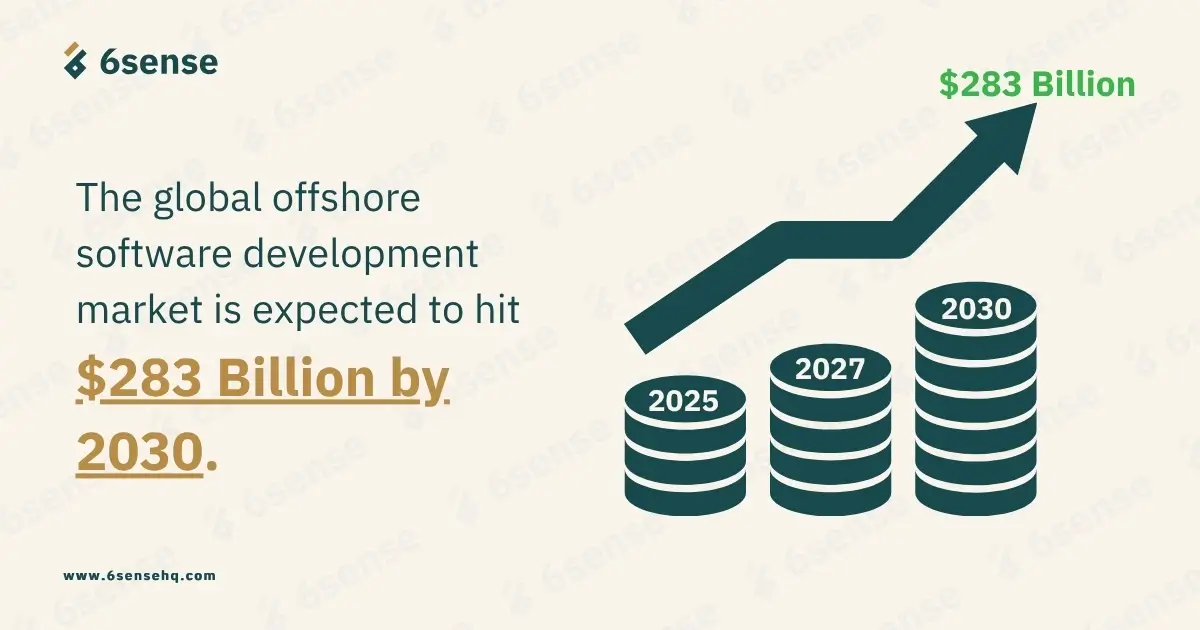
So it’s clear that more companies are choosing this route to stay lean and competitive. Here are a few key things to prepare:
Just clearly explain what problem your product solves and what success looks like. Are you building a mobile app, a web platform, or something else? What’s the one job your product needs to do well?
Make a short list of what must be included in version one. Think login, payments, dashboards, or messaging. This helps developers estimate effort and propose better solutions.
You don’t need to be exact, but have a sense of your available budget and when you'd like to launch. It helps narrow down who can realistically deliver.
Time differences can slow down projects if you're not careful. Look for developers who share at least a few hours of working time with your team. This overlap is crucial for meetings, reviews, and urgent fixes.
Prioritize candidates with strong English skills and experience writing documentation, especially when working remotely. Good communication helps avoid misunderstandings, improves collaboration, and keeps projects moving smoothly.
Offshore developers should align with your company’s pace, values, and working style.
Well, it’s not just about technical skills; it’s about mindset. When your offshore team feels like part of the culture, they’re more productive and committed to your goals.
Hire developers who already know your frameworks, programming languages, and tools. Whether it’s React, Node.js, Python, or Kubernetes, match your offshore hires with your specific tech stack to save time, reduce errors, and avoid long onboarding or retraining sessions.
Every country has different labor laws, tax rules, and IP regulations. Before hiring, make sure your contracts are legally sound and protect your data and code. If you're unsure where to start, companies like 6sense HQ can help handle compliance and paperwork for you.
Startups need to move fast, spend smart, and compete with bigger players. Offshore hiring helps startups solve all three. It gives you access to skilled developers, lowers your costs, and makes it easier to grow your team without the usual hiring headaches.
They’re not just coders, they bring strong communication skills, flexibility, and a get-things-done attitude.
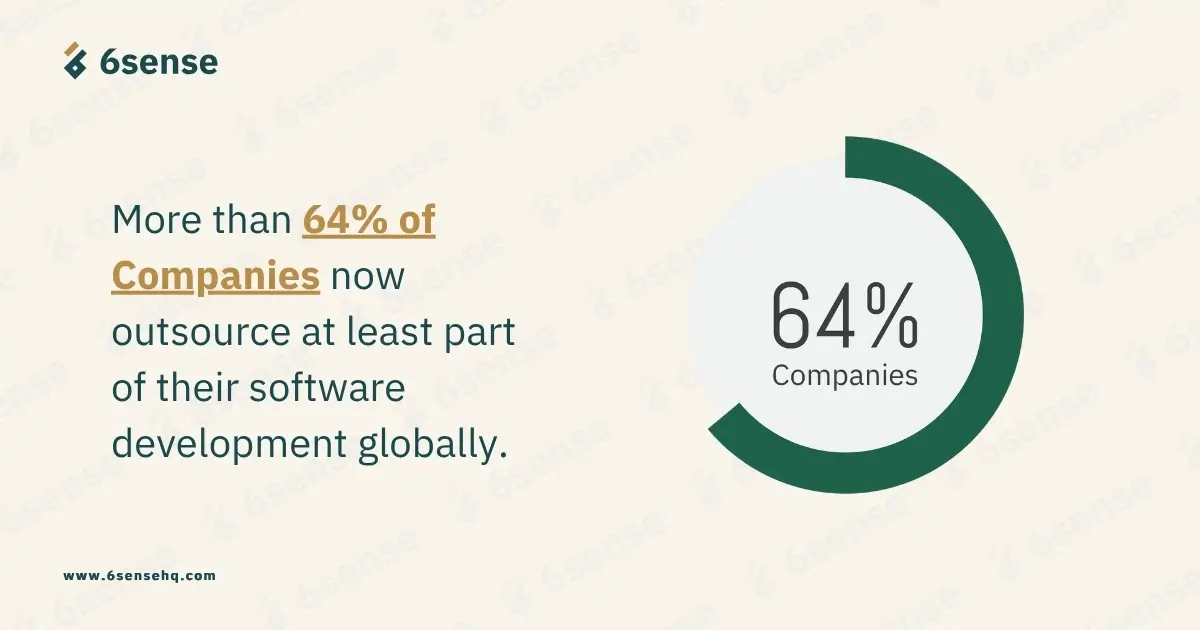
In fact, more than 64% of companies now outsource at least part of their software development globally. That’s because offshore developers help teams scale fast without compromising on quality.
Here are some reasons to hire offshore developers for your startup:
Hiring offshore software developers isn’t complicated, but doing it right makes all the difference. From planning your project to onboarding new team members, here’s a clear, step-by-step guide to help you hire a top offshore developer team that delivers results:
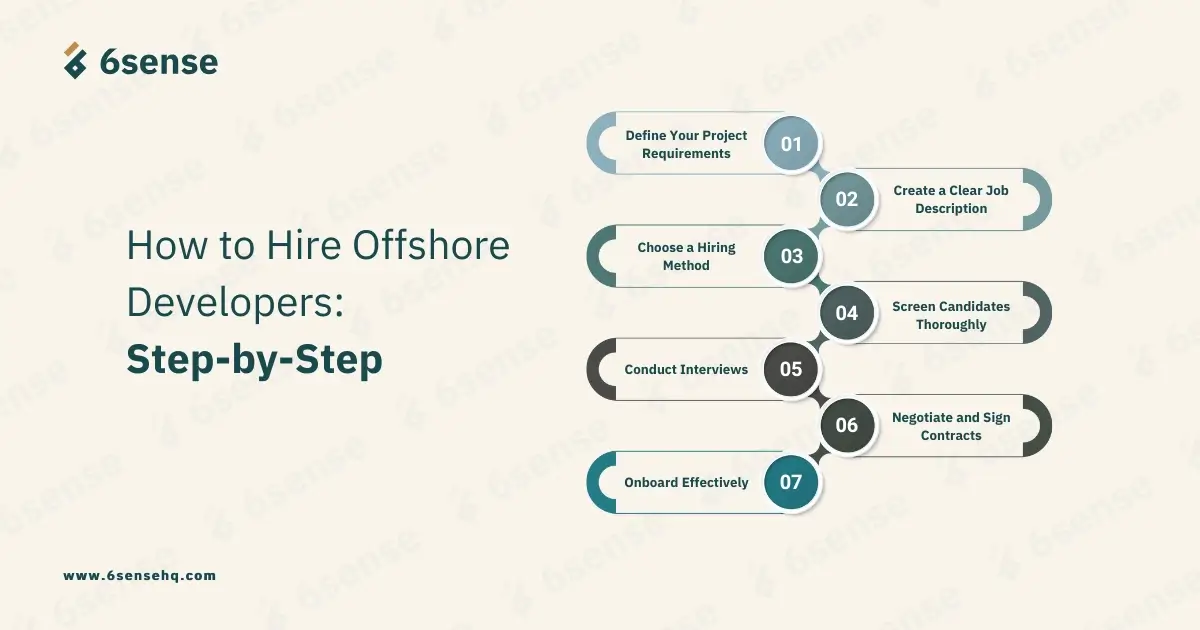
Get Clear on What You Want to Build. Start with the basics:
Even if you're not sure about the technical parts, outlining your idea in plain language will help potential developers guide you better.
Choose How You Want to Hire. You can hire developers through:
If you're short on time or don’t want to vet developers yourself, working with a partner can save you time and reduce risk.
You don’t need technical jargon. Just explain:
A good developer will ask clarifying questions and help turn this into a technical plan.
Even if you can't evaluate their coding, you can evaluate how they:
The right developer should speak clearly and treat your product like something they want to get right.
Before hiring, ask:
This builds confidence and helps you filter out those who are just looking for any job.
Your contract should include:
You should also ask for an NDA if you're sharing anything confidential.
Don’t build the full product on day one. Start with a small, working version often called an MVP and grow from there. It reduces risk, saves money, and lets you test your idea with real users before investing more.
If you aim to build your own team offshore, the real value comes from finding people who can communicate well, align with your workflow, and deliver consistently in a remote setting.
Here’s a practical checklist to help you screen candidates before you commit:
If you want any help getting started. Book a free consultation with 6sense and we’ll walk you through your options step-by-step.
Here's a simple cost comparison table showing the typical difference between hiring offshore developers vs. hiring locally (e.g. in the U.S.).
| Role | U.S. Developer (Yearly) | Offshore Developer (Yearly) | Savings (%) |
| Frontend Developer | $110,000 – $140,000 | $35,000 – $55,000 | 50% – 70% |
| Backend Developer | $120,000 – $150,000 | $40,000 – $60,000 | 50% – 65% |
| Full-Stack Developer | $125,000 – $160,000 | $45,000 – $65,000 | 50% – 65% |
| DevOps / Cloud Engineer | $130,000 – $170,000 | $50,000 – $70,000 | 45% – 60% |
| Mobile App Developer | $100,000 – $135,000 | $35,000 – $55,000 | 50% – 70% |
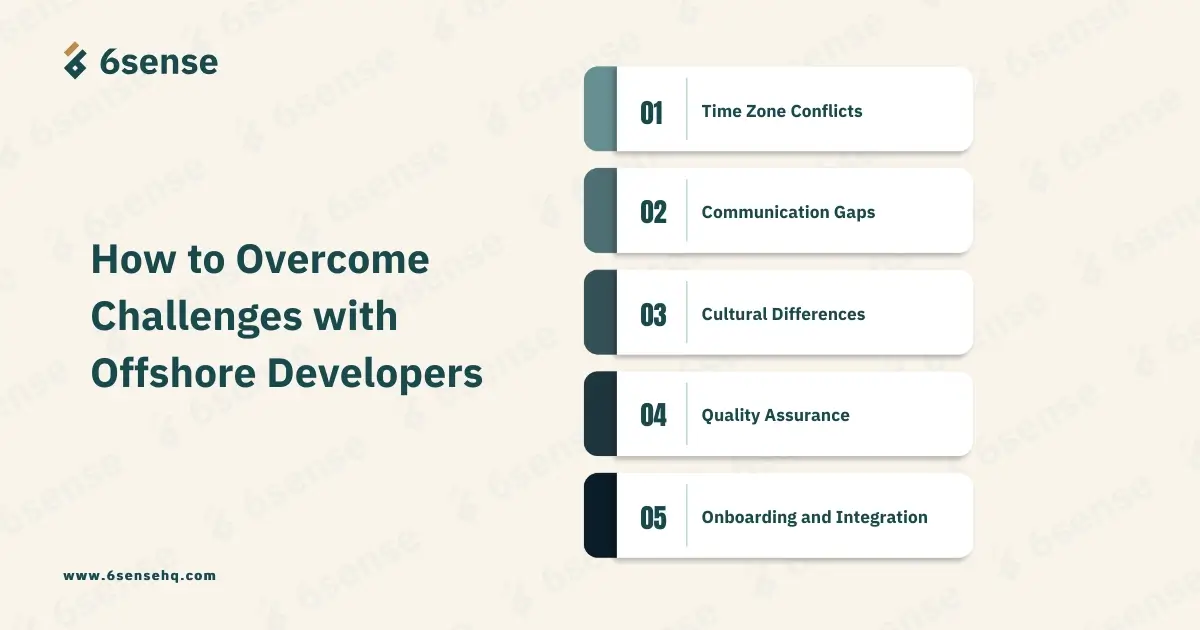
Hiring offshore developers can unlock serious benefits for your startup, but it’s not always smooth sailing. The good news? Most of these can be avoided with the right preparation.
Here are the most common challenges and how to handle them smartly:
Working across continents can lead to delays if there’s no overlap in work hours.
How to fix it:
When instructions are misunderstood or updates are delayed, progress slows.
How to fix it:
If you're not technical, you may not know how to review code quality or manage progress.
How to fix it:
Different working styles or attitudes toward feedback and deadlines can cause friction.
How to fix it:
Without strong contracts, your code or ideas could be reused or leaked.
How to fix it:
Freelancers or unverified developers may disappear mid-project.
How to fix it:
If you're running a startup and looking to grow fast without burning your budget, it's time to hire offshore software developers. With the right people, tools, and mindset, you can build a strong remote team that delivers high-quality work.
Well, it’s not about hiring the cheapest developers, it’s about finding reliable partners who understand your goals and work like they’re part of your team. When done right, offshore hiring helps you move quickly, save money, and stay competitive.
Want to skip the guesswork? 6sense HQ makes offshore hiring simple, fast, and stress-free. Let’s build your dream team today.
Optimize your 2026 offshore strategy with a Mirror Stack, Zero Trust security, and AI to scale execution while saving 40-70%.
9 min read

Stop scrolling, start hiring: 15 best offshore dev sites for 2026 with rates, vetting process, and quick picks. Tap in!
14 min read

Offshore ROI in 2026: calculate true TCO, payback & NPV, dodge rework traps, and scale faster, grab the checklist now!
7 min read